
Understanding gambling addiction symptoms, risks, and recovery paths
Recognizing the Symptoms of Gambling Addiction
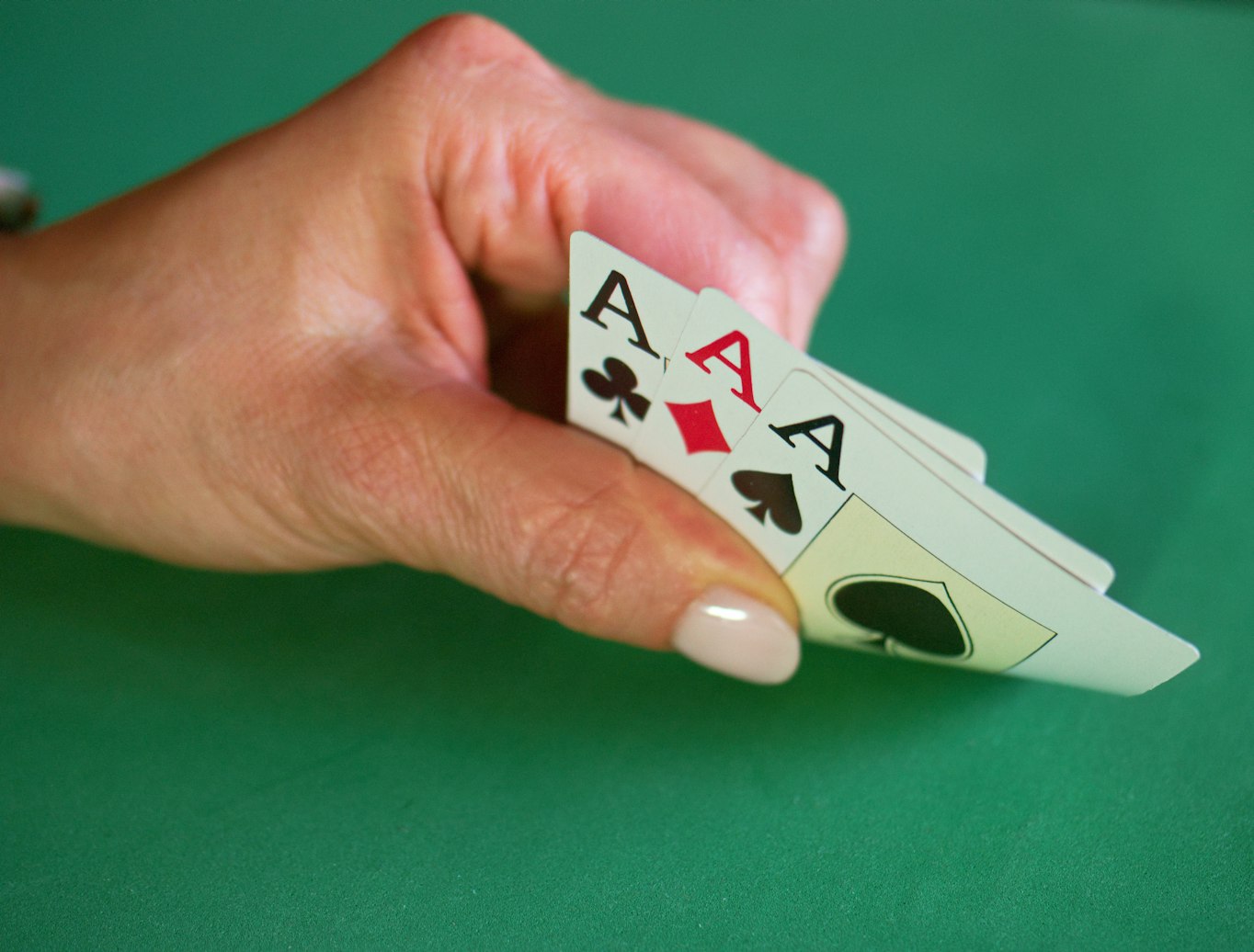
Gambling addiction, also known as compulsive gambling or gambling disorder, manifests through a range of symptoms that can significantly impact an individual’s life. One of the most prominent signs is the inability to control gambling habits, often leading to continued play despite negative consequences. Individuals may find themselves increasingly preoccupied with gambling, spending excessive time thinking about it, or planning their next gaming session. Engaging with reliable platforms like 1win can also provide insight into advanced strategies that many players might find useful.
Another common symptom is the experience of withdrawal-like feelings when unable to gamble. This may include irritability, restlessness, or anxiety. Additionally, those suffering from gambling addiction might engage in deceptive behaviors, such as lying about their gambling activities or hiding their losses, to maintain their habits. Recognizing these symptoms early is crucial for effective intervention and recovery.
The Risks Associated with Gambling Addiction
The risks tied to gambling addiction extend beyond personal suffering, affecting family dynamics, finances, and mental health. Financially, individuals may incur significant debt, depleting savings or even resorting to illegal activities to fund their gambling. This financial strain can lead to severe consequences, including bankruptcy or loss of employment.
Mental health is also at stake, with many gambling addicts experiencing depression, anxiety, or even suicidal thoughts. Relationships often suffer, as trust is eroded and loved ones become collateral damage in the wake of a gambler’s compulsion. Understanding these risks is essential for those who may be at risk or know someone who is struggling.
Exploring the Paths to Recovery
Recovery from gambling addiction is a challenging but achievable goal. The first step is often acknowledging the problem and seeking help. Various treatment options are available, ranging from therapy, such as cognitive-behavioral therapy, to support groups like Gamblers Anonymous. Professional counseling can help individuals identify the underlying issues contributing to their gambling behavior and develop healthier coping strategies.
Self-exclusion programs are another effective path, allowing individuals to voluntarily restrict their access to gambling venues and online platforms. Moreover, involving family and friends in the recovery process can provide essential support, creating a strong network to encourage and sustain positive changes.
The Role of Education and Awareness
Education plays a vital role in addressing gambling addiction. Raising awareness about the symptoms and risks can help individuals recognize the problem early and seek assistance before it escalates. Community programs and outreach initiatives can promote understanding of gambling addiction, providing resources and information to those affected.
Schools, workplaces, and community centers can collaborate to create educational programs that inform individuals about safe gambling practices and the signs of addiction. By fostering an environment of open discussion, society can better support those struggling with gambling issues and contribute to a healthier overall community.
More About Us
Understanding gambling addiction is essential for prevention and recovery. Our platform is dedicated to offering resources and support for individuals facing this challenge. We provide a wealth of information on symptoms, risks, and recovery paths, ensuring that individuals and their families are well-informed.
Our commitment extends to creating a safe space for discussions and sharing experiences related to gambling addiction. By fostering awareness and understanding, we aim to empower individuals on their journey to recovery and promote healthier gambling habits.